

Moving From Oregon to Washington Before Retirement: A Financial Checklist
Moving From Oregon to Washington Before Retirement: A Financial Checklist
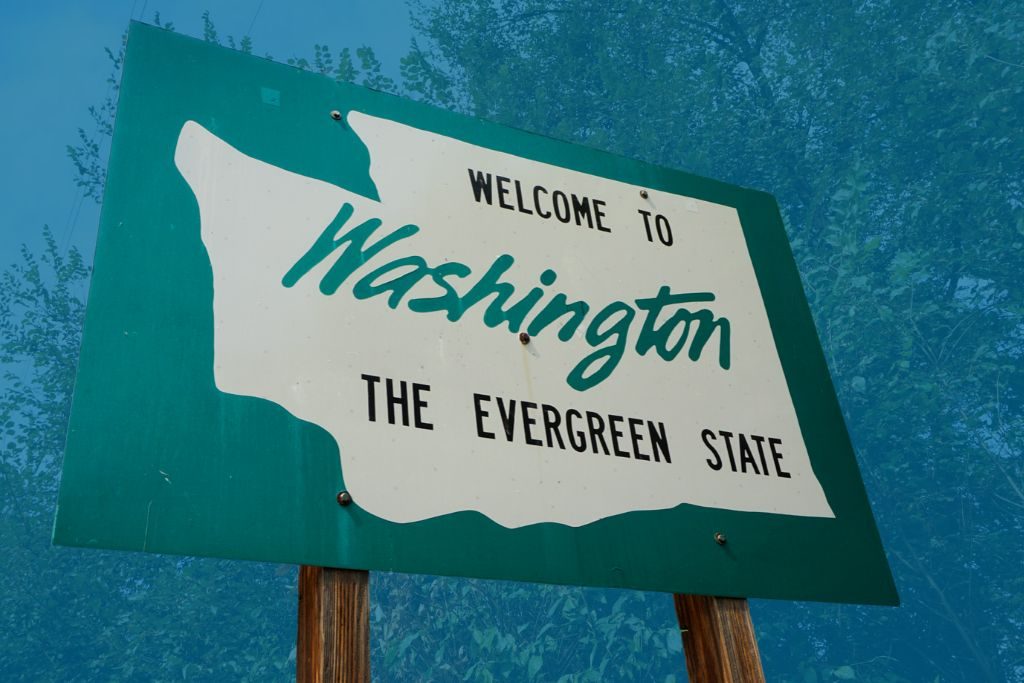
For many Oregon residents approaching retirement, moving to Washington offers a way to begin a new chapter while staying close to the people and places they love. That may mean crossing the Columbia River from Portland to Vancouver, downsizing in Camas, or finding a home closer to family in another Washington community.
The financial appeal can be meaningful, but the decision involves more than comparing state income taxes. Your move date, retirement income, housing costs, healthcare coverage, and remaining Oregon ties all deserve attention.
Before you put your home on the market or schedule the moving truck, use this checklist to understand how a change of address could affect your retirement plan.
1. Compare the taxes on your actual retirement income
Start by listing the income you expect to receive: pensions, traditional IRA and 401(k) withdrawals, Social Security, investment income, and any continued employment or rental income.
Oregon generally taxes residents’ taxable pension income and retirement account distributions, subject to applicable exceptions and adjustments. Oregon does not tax Social Security benefits. In 2026, Washington does not impose a general individual income tax on ordinary retirement income. However, Washington has enacted a 9.9% high-income tax scheduled to begin January 1, 2028, for individuals and married couples filing jointly with annual adjusted gross income exceeding $1 million, subject to the law’s deductions and modifications. Long-term projections should account for that scheduled change. [1, 2]
Your potential savings depend on the sources and amounts of your income. A household relying heavily on Social Security may see a different state income tax benefit than one making substantial withdrawals from traditional retirement accounts.
Checklist: Ask for a side-by-side projection using your expected income, deductions, filing status, and retirement timeline.
2. Establish Washington residency and document the transition
Buying a Washington home or changing your mailing address does not, by itself, settle every residency question.
Oregon considers factors such as your permanent home, where your financial, social, and family life is centered, and where you intend to return after an absence. Maintaining an Oregon residence while spending substantial time in the state can also affect your status. [3]
As part of a genuine move, review your driver’s license, vehicle registration, voter registration, insurance policies, financial accounts, and tax records. Retain closing documents, leases, and other records that help establish when the transition occurred.
If you will keep homes in both states, discuss your circumstances with a qualified tax professional.
Checklist: Confirm your residency treatment and maintain records supporting your move date.
3. Coordinate your move with major financial transactions
The year you move may involve more than one tax jurisdiction. Oregon generally taxes part-year residents on income from all sources during their Oregon residency and Oregon-source income during their nonresident period. [1]
That makes timing worth reviewing before a large retirement account withdrawal, Roth conversion, investment sale, or business transaction.
Washington also has a separate capital gains tax on certain long-term gains. Current law applies a 7% rate to taxable Washington capital gains, with an additional 2.9% on the portion exceeding $1 million. Real estate and assets held in certain retirement accounts are exempt from that capital gains tax. Those exemptions do not eliminate federal tax or any applicable Oregon tax. [4, 5]
Checklist: Review major transactions before executing them, rather than assuming everything received after moving is free of state tax.
4. Build a complete housing and moving budget
A lower income tax bill may improve retirement cash flow, but a more expensive home or larger mortgage can absorb the difference.
Compare the properties you are actually considering. Include:
- Purchase price, mortgage payments, and closing costs.
- Property taxes, homeowners insurance, and any HOA dues.
- Maintenance, utilities, and accessibility improvements.
- Moving expenses and temporary housing.
- The possibility of carrying two homes while a sale is pending.
Consider how much home equity you want to commit to your next property and how much you want available for retirement spending.
Checklist: Compare total annual costs and one-time moving expenses alongside projected tax savings.
Moving From Portland, Oregon, to Vancouver, Washington: Across the River, Into a Different Financial Plan
Moving from Portland to Vancouver can allow you to remain in the same metropolitan area while changing your state of residence. Family visits, familiar restaurants, and established routines may remain part of your life. Your financial arrangements still need a careful review.
If you keep working in Portland, Oregon taxes may continue
Moving to Vancouver before your last day of work does not necessarily end Oregon income taxes. For nonresidents, Oregon generally taxes wages for work physically performed in Oregon. Work performed from your Washington home is generally treated differently, although bonuses, benefits, and other compensation can require additional analysis. [3]
If you commute across the Interstate Bridge or the Glenn Jackson Bridge, discuss workday allocation and withholding with your employer and tax professional.
Review Portland-area local income taxes separately
The Metro Supportive Housing Services and Multnomah County Preschool for All taxes have their own residency, income-source, and filing rules. Moving to Vancouver may change your exposure, but Portland-area work or other local-source income can leave obligations in place if the relevant thresholds are met.
A move during the year can also require part-year local returns. These taxes are administered separately from Oregon’s state income tax. [6]
Confirm that your Portland doctors remain covered
If you intend to keep receiving care in Portland, verify coverage using your new Vancouver address. Ask your insurer about your doctors, hospitals, pharmacies, referrals, and out-of-network costs.
For Medicare Advantage and Part D coverage, a move outside your plan’s service area—or a move that creates new plan options—can qualify you for a Special Enrollment Period. [7]
Include Washington sales and use taxes
Your everyday spending budget may change after moving. Washington residents can owe use tax on taxable goods purchased in Oregon and brought into Washington for use when Washington sales tax was not collected. Shopping across the river does not automatically eliminate that obligation. [8]
Test the move against your weekly routine
Visit prospective neighborhoods at the times you expect to travel. Consider the trip to family, medical appointments, volunteer commitments, and any remaining Portland work.
Whether you prefer downtown Vancouver, Salmon Creek, or east Vancouver, the right location should support both your budget and the life you want in retirement.
Portland-to-Vancouver checklist: Review work location, local tax filings, healthcare networks, household spending, and bridge travel before choosing your home and move date.
5. Check whether moving changes your pension benefits
Oregon PERS retirees have an additional issue to review.
Certain eligible Tier One members receive a tax remedy increase in their monthly benefits while qualifying as Oregon residents. Becoming a nonresident can result in removal of that increase. Tier Two and OPSRP members are not eligible for the tax remedy. [9]
For an affected household, the comparison should include both potential tax savings and a possible reduction in pension benefits.
Checklist: Request confirmation from your pension provider of any residency-related benefit changes.
6. Review your estate plan and account records
Ask your estate planning attorney to review your will, trust, powers of attorney, healthcare directives, and property ownership arrangements after the move. Oregon and Washington both have state estate tax systems, so changing residence deserves a fresh review of potential exposure.
Update beneficiary information and contact details with financial institutions, retirement plan providers, insurers, and Social Security. If you retain Oregon real estate or business interests, include those assets in the discussion.
Checklist: Coordinate the move with your attorney and financial advisor so your documents and accounts reflect your new circumstances.
Bring the Moving Plan and Retirement Plan Together
A move to Washington should support your goals for retirement: sustainable income, manageable expenses, access to care, and time with the people who matter to you.
Before committing, bring your financial advisor, tax professional, and estate planning attorney into the conversation. A coordinated review can help you understand the tradeoffs and prepare for the transition.
At Harlow Wealth Management, we help families in Portland, Oregon, Vancouver, Washington, and throughout the Pacific Northwest connect retirement income, investment planning, tax strategies, healthcare considerations, and legacy goals.
If you are considering moving across the river before retirement, our complimentary Financial Diagnostic can help you explore how that decision fits into your broader financial picture.
This article provides general educational information based on rules reviewed in October 2026. It is not individualized tax, legal, investment, or insurance advice. Tax laws and personal circumstances can change. Consult qualified professionals before making decisions.
References
-
-
-
-
-
- Oregon Department of Revenue. (n.d.). Personal income tax. https://www.oregon.gov/dor/programs/individuals/Pages/PIT.aspx
- Washington Department of Revenue. (n.d.). Income tax. https://dor.wa.gov/taxes-rates/income-tax
- Oregon Department of Revenue. (n.d.). What form do I use? https://www.oregon.gov/dor/programs/individuals/Pages/what-form.aspx
- Washington Department of Revenue. (n.d.). New tiered rates for Washington’s capital gains tax. https://dor.wa.gov/forms-publications/publications-subject/special-notices/new-tiered-rates-washingtons-capital-gains-tax
- Washington Department of Revenue. (n.d.). Capital gains tax. https://dor.wa.gov/taxes-rates/other-taxes/capital-gains-tax
- City of Portland. (n.d.). Personal income tax filing and payment information. https://www.portland.gov/revenue/personal-tax
- Centers for Medicare & Medicaid Services. (n.d.). Special enrollment periods. Medicare.gov. https://www.medicare.gov/basics/get-started-with-medicare/get-more-coverage/joining-a-plan/special-enrollment-periods
- Washington Department of Revenue. (n.d.). Use tax. https://dor.wa.gov/taxes-rates/use-tax
- Oregon Public Employees Retirement System. (n.d.). Tax remedy information. https://www.oregon.gov/pers/ret/Pages/Tax-Remedy-Information.aspx
-
-
-
-
Past performance is not indicative of future results. The material above has been provided for informational purposes only and is not intended as legal, tax, or investment advice or a recommendation of any particular security or strategy. The investment strategy and themes discussed herein may be unsuitable for investors depending on their specific investment objectives and financial situation. Information obtained from third-party sources is believed to be reliable though its accuracy is not guaranteed, and Harlow Wealth Management, Inc. (“Harlow”) makes no representation or warranty as to the accuracy or completeness of the information, which should not be used as the basis of any investment decision. Information contained on third party websites that Harlow may link to is not reviewed in their entirety for accuracy, and Harlow assumes no liability for the information contained on these websites. Opinions expressed in this commentary reflect subjective judgments of the author based on conditions at the time of writing and are subject to change without notice. No part of this material may be reproduced in any form, or referred to in any other publication, without express written permission from Harlow. For more information about Harlow, including our Form ADV brochures, please visit https://adviserinfo.sec.gov and search our firm name.

Is Your Retirement Income Built to Last?
Discover potential income gaps, optimize your withdrawal strategy and ensure your money lasts as long as you do.
Claim your complimentary Financial Diagnostic exclusively from Harlow Wealth Management.
Is Your Retirement Income Built to Last?
Discover potential income gaps, optimize your withdrawal strategy and ensure your money lasts as long as you do.
Claim your FREE Financial Diagnostic exclusively from Harlow Wealth Management.