

Smart Ways to Prepare for Unexpected Costs in Retirement
Smart Ways to Prepare for Unexpected Costs in Retirement

When many people plan for retirement, they focus on the obvious: housing, groceries, travel, and basic living costs. But the less visible expenses can cause the trouble, too. Overlooking these can lead to financial stress later in life, even with a solid savings foundation. Here are five retirement costs that are often underestimated — and how to help you prepare for them.
1. Healthcare and Long-Term Care
Medicare covers a lot, but not everything. Dental work, vision care, hearing aids, and long-term care like assisted living or nursing homes are often not included. These costs can add up quickly, especially as you age.1
How to plan: Start saving early, perhaps by considering a Health Savings Account if eligible, and explore long-term care insurance before premiums become too expensive.
2. Home Maintenance and Repairs
A paid-off mortgage doesn’t mean a free house. Major repairs and ongoing maintenance—like replacing a roof or updating plumbing—can be a major drain on fixed income.2
How to plan: Set aside an annual budget for home upkeep, and keep an emergency fund for unexpected repairs.
3. Inflation
Even modest inflation can reduce your purchasing power over time. What seems like a comfortable retirement income today might not be enough ten years from now. 3
How to plan: Include inflation in your retirement projections and consider maintaining some growth investments to help your money keep pace with rising costs.
4. Taxes
Many retirees are surprised by how much they owe in taxes, especially when withdrawing from traditional retirement accounts like 401(k)s and IRAs.4
How to plan: Work with a financial advisor to structure tax-efficient withdrawals and consider diversifying with Roth accounts, which offer tax-free distributions[1].
5. Family Support
Whether it’s helping adult children financially or caring for elderly parents, family obligations can strain retirement savings.
How to plan: Have clear conversations with family about your limits and build flexibility into your financial plan to accommodate occasional support.5
Final Thought
A strong retirement plan looks beyond the basics. By anticipating and preparing for these potentially unexpected costs, you’ll be better positioned to enjoy your retirement without financial surprises.
References
- Weintraub, E. (2023, March 6). What is the 4% rule for retirement? Forbes Advisor. https://www.forbes.com/advisor/retirement/four-percent-rule-retirement/
- Fidelity. (2024, November 25). How much will you spend in retirement? Fidelity Viewpoints. https://www.fidelity.com/viewpoints/retirement/spending-in-retirement
- Investopedia. (2025, June). Should you invest in the market during retirement? Investopedia. Retrieved from https://www.investopedia.com/should-you-invest-in-the-market-during-retirement-11714012
- Mira Norian. (2025, April 1). Balancing work and wealth: The financial impact of earning in retirement. Investopedia. Retrieved from https://www.investopedia.com/financial-impact-of-working-in-retirement-11693351
Additional Notes
- Roth distributions are tax free after age 59-1/2 and the account has been open for at least 5 years.
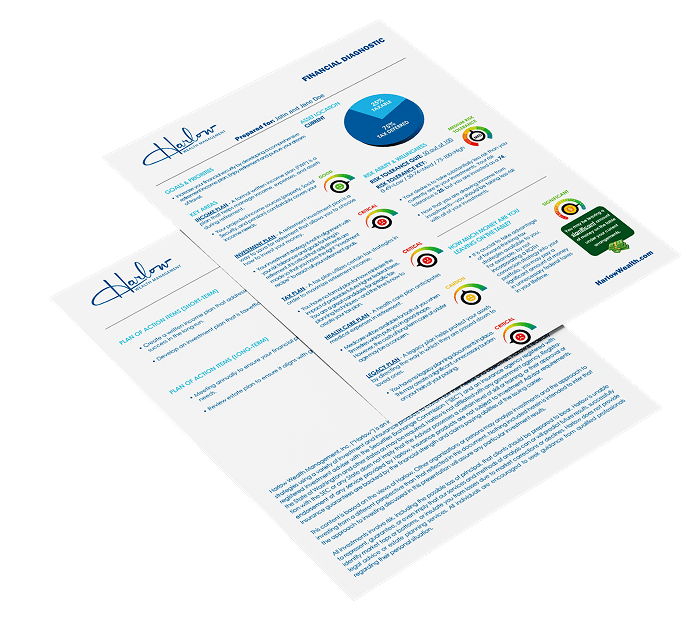
Is Your Retirement Income Built to Last?
Discover potential income gaps, optimize your withdrawal strategy and ensure your money lasts as long as you do.
Claim your complimentary Financial Diagnostic exclusively from Harlow Wealth Management.
Is Your Retirement Income Built to Last?
Discover potential income gaps, optimize your withdrawal strategy and ensure your money lasts as long as you do.
Claim your FREE Financial Diagnostic exclusively from Harlow Wealth Management.